Magic Jasmine: A Warm Handwriting Font for Designers
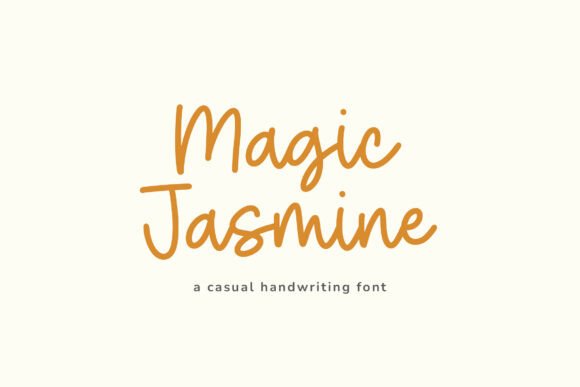
When searching for a typeface that balances approachability with professional polish, Magic Jasmine free download options often lead designers to this standout choice. Introduced by Timurtype Studio, Magic Jasmine is a casual handwriting font that captures the warmth and charm of natural pen strokes. With its smooth curves and relaxed rhythm, it serves as an excellent tool for creatives looking to inject personality into their work. Whether you are exploring a Magic Jasmine font download for a personal project or evaluating it for a client brand, understanding its nuances is key to leveraging its full potential in the competitive world of typography.
Introduction — What is Magic Jasmine?
Magic Jasmine belongs to the Script Handwritten category, a genre known for its ability to humanize digital designs. Unlike rigid geometric sans-serifs, this font mimics the organic flow of a marker or brush pen. It is not just another free Script Handwritten font for Fonts; it is a carefully crafted asset that retains the imperfections of real writing while maintaining legibility. For designers asking where to download Magic Jasmine font free or purchase a license, recognizing its unique character set is the first step. It stands out because it avoids the overly decorative loops that often plague script fonts, opting instead for clarity and genuine warmth.
Design & Style Analysis
To truly appreciate this premium Script Handwritten font, we must look beyond the surface. The design philosophy behind Magic Jasmine focuses on connectivity and balance.
Natural Letterforms
The letterforms in Magic Jasmine are constructed to look effortless. The entry and exit strokes of each character connect smoothly, creating a continuous line that feels authentic. This makes it a superior choice when compared to disjointed handwritten styles that can appear choppy or artificial.
Weight and Spacing
The weight is consistent yet dynamic, avoiding the heaviness that can make script fonts difficult to read at smaller sizes. The spacing is generous enough to prevent letters from merging into illegible blobs, a common issue in dense professional Fonts font selections. This balance ensures that the text breathes, enhancing readability across various media.
Best Uses for Magic Jasmine
Versatility is the hallmark of a great typeface. Here is how you can integrate this font into your workflow.
Magic Jasmine for Logo Design
For brands aiming to appear friendly and accessible, Magic Jasmine for logo design is an ideal solution. It works particularly well for boutiques, cafes, and lifestyle brands that want to convey a handcrafted aesthetic without sacrificing professionalism.
Magic Jasmine for Wedding Invitations
The romantic undertones of this script make it perfect for formal events. When used for Magic Jasmine for wedding invitations/cards/typography, it adds a layer of elegance and personal touch that standard serif fonts cannot achieve. It pairs beautifully with floral motifs and minimalist layouts.
Magic Jasmine for Social Media
In the fast-paced world of digital content, Magic Jasmine for posters/social media/packaging helps stop the scroll. Its distinct personality stands out against the noise of generic corporate fonts, making it effective for Instagram quotes, Pinterest graphics, and promotional banners.
Font Pairing & Combinations
A common question among designers is, what fonts pair well with Magic Jasmine? The answer lies in contrast. Since Magic Jasmine is fluid and organic, it needs a structured partner.
For a classic Magic Jasmine font pairing, consider combining it with a clean, geometric sans-serif like Montserrat or Lato. This creates a modern look where the script acts as the accent and the sans-serif handles the body text. Alternatively, pairing it with a high-contrast serif can evoke a vintage, editorial feel. These best font combinations with Magic Jasmine ensure that your design remains balanced and easy to read.
Licensing & Commercial Use
Before implementing any typeface, you must understand the legal boundaries. Many users ask, is Magic Jasmine free for commercial use? The answer depends on the specific license acquired from Timurtype Studio or the distributor. Typically, free versions are restricted to personal projects, such as school assignments or personal gifts.
For client work, you must secure the appropriate Magic Jasmine font license. Understanding Magic Jasmine commercial use rights is crucial to avoid legal issues. Always check if the license covers web embedding, print runs, or merchandise sales. Investing in the correct license ensures you support the creator and protect your business.
How to Download & Use Magic Jasmine
Getting started is straightforward. You can often find a Magic Jasmine free download for testing purposes on reputable font repositories. However, for full features and commercial rights, purchasing from platforms like CreativeFabrica or the designer’s official site is recommended.
Once installed, using the font is simple across major software. If you are wondering how to use Magic Jasmine in Canva/Word/Photoshop, the process is standard: install the .otf or .ttf file on your system, restart your application, and select "Magic Jasmine" from the font dropdown menu. In Canva, you may need to upload the font if you have a Pro account. This ease of integration makes it a favorite for both novice and expert designers.
Designer Notes & Tips
To get the most out of this best Script Handwritten fonts for use case scenarios, keep a few practical tips in mind. First, always test your design in black and white. If the script loses its definition without color, it may be too delicate for certain backgrounds.
Second, consider the comparison of Magic Jasmine vs similar font options. While many scripts offer flair, Magic Jasmine offers readability. Do not overcrowd the text; let the ligatures shine by keeping line spacing ample. Finally, remember that while it is a casual font, it requires professional handling. Avoid using all caps, as this disrupts the natural flow of the handwriting style. By respecting the font’s inherent characteristics, you ensure that your final output is both aesthetically pleasing and functionally sound.