Broken Ink: A Bold Display Typeface for Makers
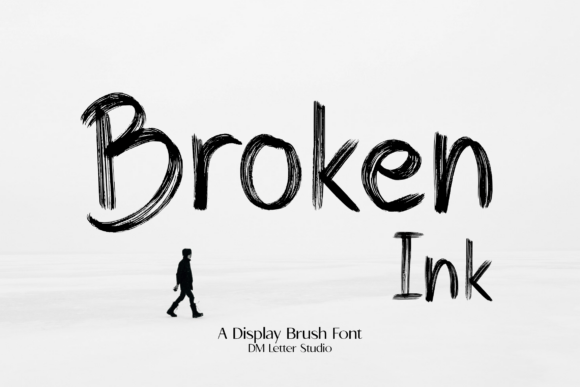
When I sat down to finalize the branding for a new line of artisanal soy candles, I needed a typeface that could communicate raw authenticity without sacrificing legibility. Broken Ink is a bold display brush font with rough energy and hand-painted attitude that immediately caught my eye among the sea of standard Fonts available online. As a creator who values the tactile feel of handmade goods, finding a digital asset that mimics the imperfection of real ink on paper is rare. This Display category typeface brings instant motion to headlines, logos, and promo designs, making it an ideal candidate for shop owners who want their digital presence to feel as curated as their physical inventory.
Creating Gritty Texture on Candle Labels and Packaging
The first place I tested Broken Ink was on a set of minimalist candle labels. The strokes feel gritty and expressive, so your message stands out against clean, white backgrounds or textured kraft paper. In the world of handmade sales, packaging is often the first physical touchpoint a customer has with your brand. Using a Display font like this adds a layer of artistic credibility that standard sans serif options simply cannot match. I found that when paired with a small, clean sans serif font for the scent notes and safety warnings, the contrast created a professional yet approachable aesthetic. The rough edges of the letters mimic the natural variation of a hand-stamped label, which aligns perfectly with the ethos of small-batch production. For makers selling on platforms like Etsy, this visual distinction can help products pop in thumbnail images, drawing the eye before the user even reads the title.
Elevating Wedding Invitations and Event Stationery
Moving beyond product packaging, I explored how Broken Ink performs in the delicate realm of wedding stationery. While traditional calligraphy scripts dominate this niche, there is a growing trend toward modern, industrial-chic weddings where couples prefer bold statements over ornate flourishes. Broken Ink serves as a powerful tool for save-the-dates, welcome boards, and menu headers. Its hand-painted attitude suggests a personal touch, implying that the event is curated with care rather than assembled from generic templates. When designing a printable invitation suite, I used the font for the couple’s names and the date, keeping the body text in a lightweight serif font to maintain readability. This combination ensures that the Fonts work together harmoniously, allowing the display typeface to act as the visual anchor while the supporting text provides necessary information. It is crucial, however, to use this font sparingly in such contexts; its bold nature demands space and attention, making it unsuitable for long paragraphs but perfect for impactful titles.
Designing High-Impact Merchandise and Apparel Graphics
For those expanding into print-on-demand or custom merchandise, Broken Ink offers versatility that translates well across various materials. I tested the typeface on tote bag mockups and t-shirt designs, where its rough energy complements the fabric texture. Unlike smooth vector lines that can look sterile on cloth, the gritty strokes of this Display font integrate naturally with the weave of cotton or canvas. It brings instant motion to headlines, making short phrases or brand logos feel dynamic and alive. Whether you are creating a limited edition shirt for a local market or a signature tote for your shop, this font adds a street-art vibe that appeals to younger demographics. However, when preparing files for cutting machines like Cricut or Silhouette, it is important to simplify the design if the cut size is very small. The intricate roughness of the brush strokes may require weeding patience, so I recommend using it for larger prints or heat transfers where the detail can be fully appreciated without compromising structural integrity.
Optimizing Readability for Digital Downloads and Social Media
In the digital sphere, Broken Ink proves to be a valuable asset for social media graphics and promotional banners. As a creator, I often need to design quick promo posts for Instagram or Pinterest, and this font allows for rapid creation of eye-catching headers. The hand-painted attitude cuts through the noise of polished, corporate-style feeds, offering a sense of immediacy and human connection. When using it for digital downloads, such as printable wall art or planner covers, ensure that the resolution is high enough to preserve the texture of the brush strokes. Pixelation can ruin the illusion of hand-painted ink, so always export at 300 DPI for print-ready files. Additionally, because Broken Ink is a decorative Display font, it should not be used for body text in eBooks or lengthy blog graphics. Its strength lies in brevity; use it for quotes, chapter titles, or section headers to guide the reader’s eye without causing fatigue. Pairing it with a neutral, easy-to-read font ensures that the overall design remains accessible and professional.
Technical Considerations for Commercial Craft Sellers
Before integrating Broken Ink into your commercial workflow, it is essential to review the licensing terms provided with the Fonts. Most premium display fonts come with specific guidelines for physical products versus digital templates. If you are selling editable templates where the end-user can change the text, you may need an extended license. Always check for included alternates, ligatures, or swashes that can add variety to your designs without needing multiple font files. For makers who rely on brand consistency, having access to these extra characters allows for unique logo variations and custom monograms. Furthermore, consider the color palette you pair with this typeface. The gritty nature of Broken Ink works exceptionally well with earth tones, muted pastels, or stark black-and-white contrasts. Avoid pairing it with overly busy patterns, as the rough edges of the letters may get lost in visual clutter. By treating this font as a primary design element rather than an afterthought, you can elevate the perceived value of your handmade goods and create a cohesive brand identity that resonates with your target audience.